


Resilience through Creativity: The Role of Arts and Culture in Indonesian Disaster Recovery

After natural disasters, communities often face significant challenges in rebuilding and recovering. In Indonesia, a nation frequently struck by earthquakes and other disasters, arts and culture-based creative industries play a crucial role in fostering resilience. This blog post explores how these industries not only survive but flourish in the aftermath of calamity, drawing insights from a recent study in Lombok and Yogyakarta.
The Power of Arts and Culture
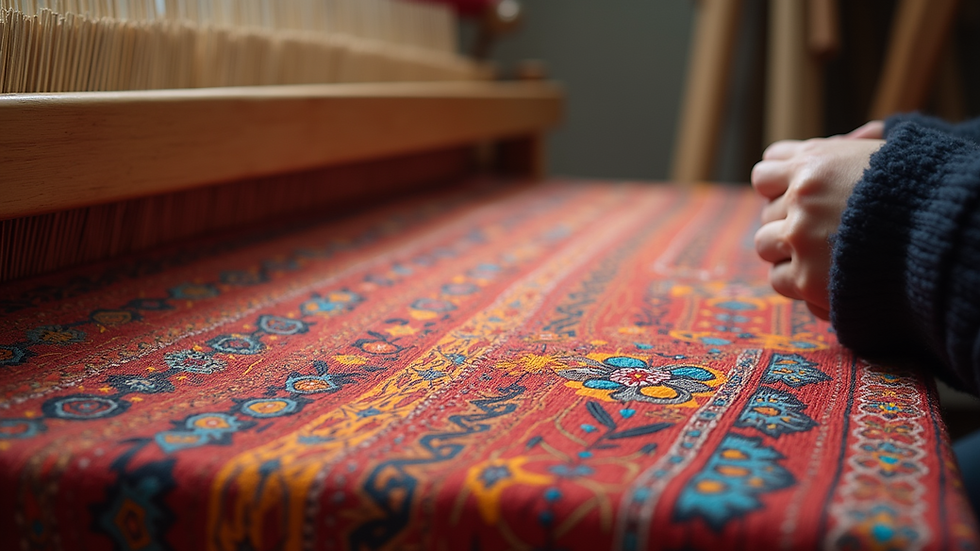
Indonesia's arts and culture sectors are vibrant and deeply rooted in tradition. They include various activities, such as traditional weaving, pottery, and contemporary art forms. These industries go beyond mere economic ventures; they embody the cultural identity of the communities involved.
According to the study, inherent strengths in these creative industries—like innovative thinking, market flexibility, and a strong drive to preserve culture—significantly contribute to their resilience. For example, after the devastating earthquakes in Lombok, many artisans quickly adapted by creating new products, enabling them to not only recover but also empower their communities.
Case Studies: Resilience in Action
The research concentrated on three villages: Bayan and Pringgasela in Lombok, known for their Sasak weaving, and Kasongan in Yogyakarta, recognized for its ceramics and pottery. Each of these villages has a unique relationship with tradition and resilience, shaped by specific post-disaster challenges.
In Bayan and Pringgasela, the 2018 earthquake severely impacted the local Sasak weaving industry, which is a significant cultural asset. However, the community's strong connection to their traditions inspired them to rebuild. Artisans embraced their creativity, innovating new weaving patterns that incorporated contemporary designs. Kasongan faced its own trials after the 2006 earthquake, which disrupted the local pottery production. The skilled artisans, however, were quick to focus on rebuilding their craft. They organized collaborative workshops that not only restored production but also strengthened community bonds.
Framework for Resilience
The study also proposes a framework for understanding disaster resilience within arts and culture-based creative industries. This framework highlights the significance of recognizing these industries' inherent strengths before disasters strike and mobilizing these strengths during recovery.
By examining how attachment to traditions influences recovery times and resilience levels, researchers provide crucial insights that can help policymakers support creative industries better. For instance, initiatives that fund workshops or provide marketing support can empower these communities to bounce back more quickly and effectively.
The Path Forward
By acknowledging the unique strengths found in arts and culture, we can appreciate their profound contributions to disaster recovery and community resilience. Supporting these industries is not merely an economic measure; it is crucial for honoring the rich traditions and creativity of the Indonesian people.


